What Is Nanobots ?
Nanobots, also known as nanorobots or nanoscale robots, are microscopic machines designed to perform specific tasks at a molecular or cellular level. These devices are a subset of nanotechnology, a field that manipulates matter at the nanometer scale (one billionth of a meter). Here's a comprehensive overview of nanobots:
Key Characteristics Of Nanobots :
1.Size: Typically measured in nanometers (1-100 nanometers), comparable to molecules or biological cells.
2.Composition: Constructed from materials like carbon (e.g., graphene, diamond), metals (e.g., gold, silver), or polymers.
3.Functionality:Can be programmed or designed to perform specific tasks, often involving interaction with biological systems or materials.
4.Autonomy: Operate independently or as part of a swarm, guided by sensors, algorithms, or external control mechanisms.
Application of nanobots :
1. Medical Applications
* Drug Delivery: Targeted delivery of drugs to specific tissues or cells (e.g., cancer cells), minimizing side effects.
* Surgery: Performing minimally invasive surgeries by repairing tissues at a cellular level.
* Diagnostics: Detecting diseases in their early stages by analyzing biomarkers or tissue structures.
* Cancer Treatment: Destroying cancer cells using methods like targeted drug delivery or hyperthermia.
* Repairing DNA: Fixing genetic defects by delivering corrective molecules to specific genes.
2. Environmental Applications
* Pollution Control: Breaking down harmful chemicals or cleaning up oil spills.
* Water Purification: Removing contaminants at a molecular level.
* Waste Management: Decomposing waste into reusable materials.
3. Industrial Applications
* Material Assembly: Building or repairing structures at a molecular level, such as in electronics or construction.
* Energy Storage: Enhancing battery technology through nanoscale precision.
* Manufacturing: Producing materials with improved properties (e.g., strength, flexibility).4. Military And Security
* Surveillance: Miniature sensors for covert operations.
* Deactivation of Explosives: Disassembling harmful devices at a molecular level.
* Cybersecurity: Protecting hardware by repairing or modifying components in real-time.
Technology Behind Tha Nanobots
1. Nanotechnology
* Nanoscale Fabrication: Creating materials and devices at the nanometer scale, often through techniques like electron beam lithography, chemical vapor deposition, or self-assembly.
* Material Properties: Leveraging properties unique to nanoscale materials, such as high surface-area-to-volume ratios, quantum effects, and exceptional strength-to-weight ratios.
2.Sensors and Actuators
- Sensors: Nanobots are equipped with nanoscale sensors to detect environmental conditions like temperature, pH, chemical gradients, or electromagnetic signals.
- Actuators: These components enable motion or interaction with the environment, often using chemical reactions, magnetic fields, or light for propulsion or mechanical actions.
3. Energy Systems
- Energy Harvesting: Nano bots are often powered by:
- Chemical reactions (e.g., glucose in biological environments).
- External fields (e.g., electromagnetic or acoustic waves).
- Miniature batteries or piezoelectric materials.
- Energy Efficiency: Given their size, they rely on highly efficient mechanisms to minimize power consumption.
4. Artificial Intelligence And Control System
- AI Integration: Machine learning algorithms enable autonomous decision-making, navigation, and adaptation in complex environments.
- Swarm Behavior: Inspired by natural systems like ant colonies or flocks of birds, swarms of nanobots work collectively to perform complex tasks, communicating via chemical signals or electromagnetic pulses.
Challenges
- Miniaturization Limitations : Developing nanoscale components with sufficient functionality.
- Power Supply : Sustaining operation over long periods.
- Precision Control : Ensuring accuracy in highly dynamic enviroments.
- Cost And Scalability : Making Nonobots production commercially viable.
- Ethical Concern : Addressing privacy, safety and potential misuse.
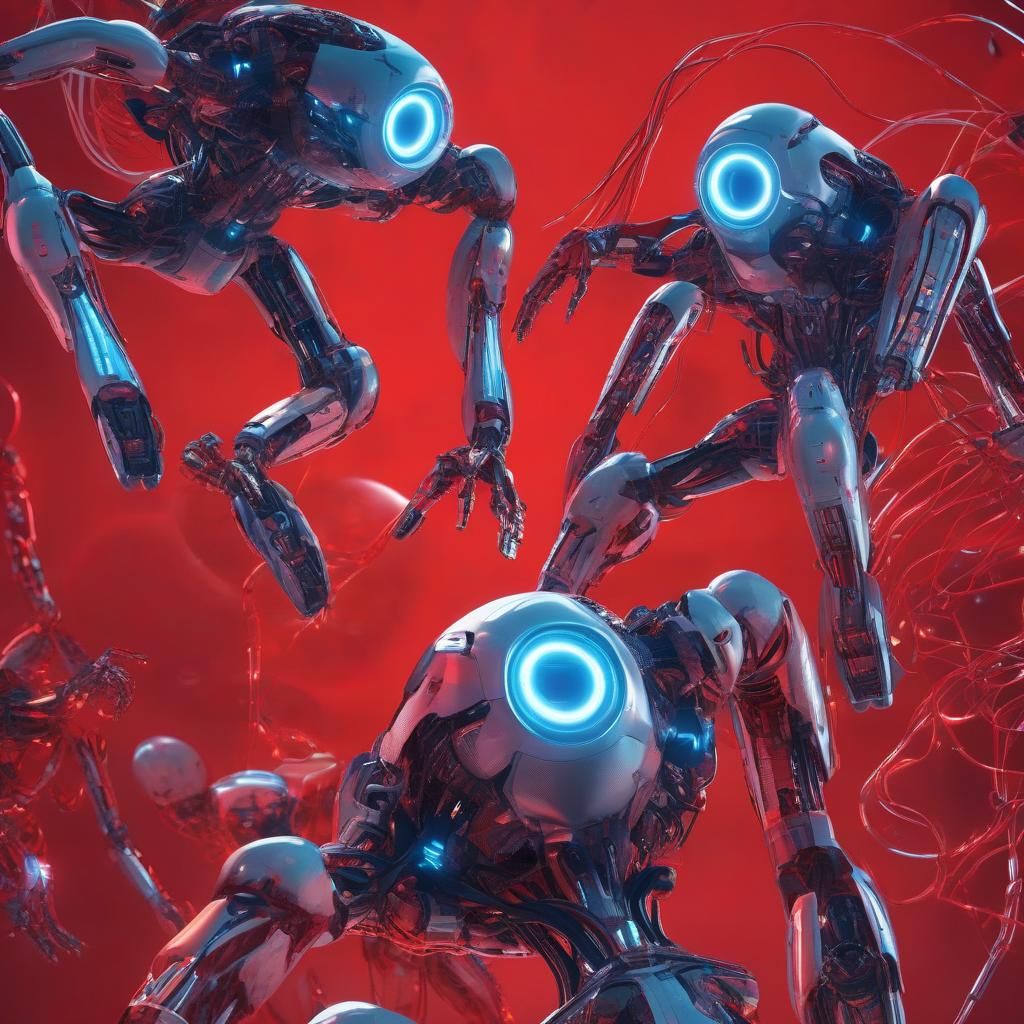
The Nano bots